【Technical Column】Electronic Fuel Injection Systems Enhance UAV Flight Efficiency and Advance Intelligent Power Management
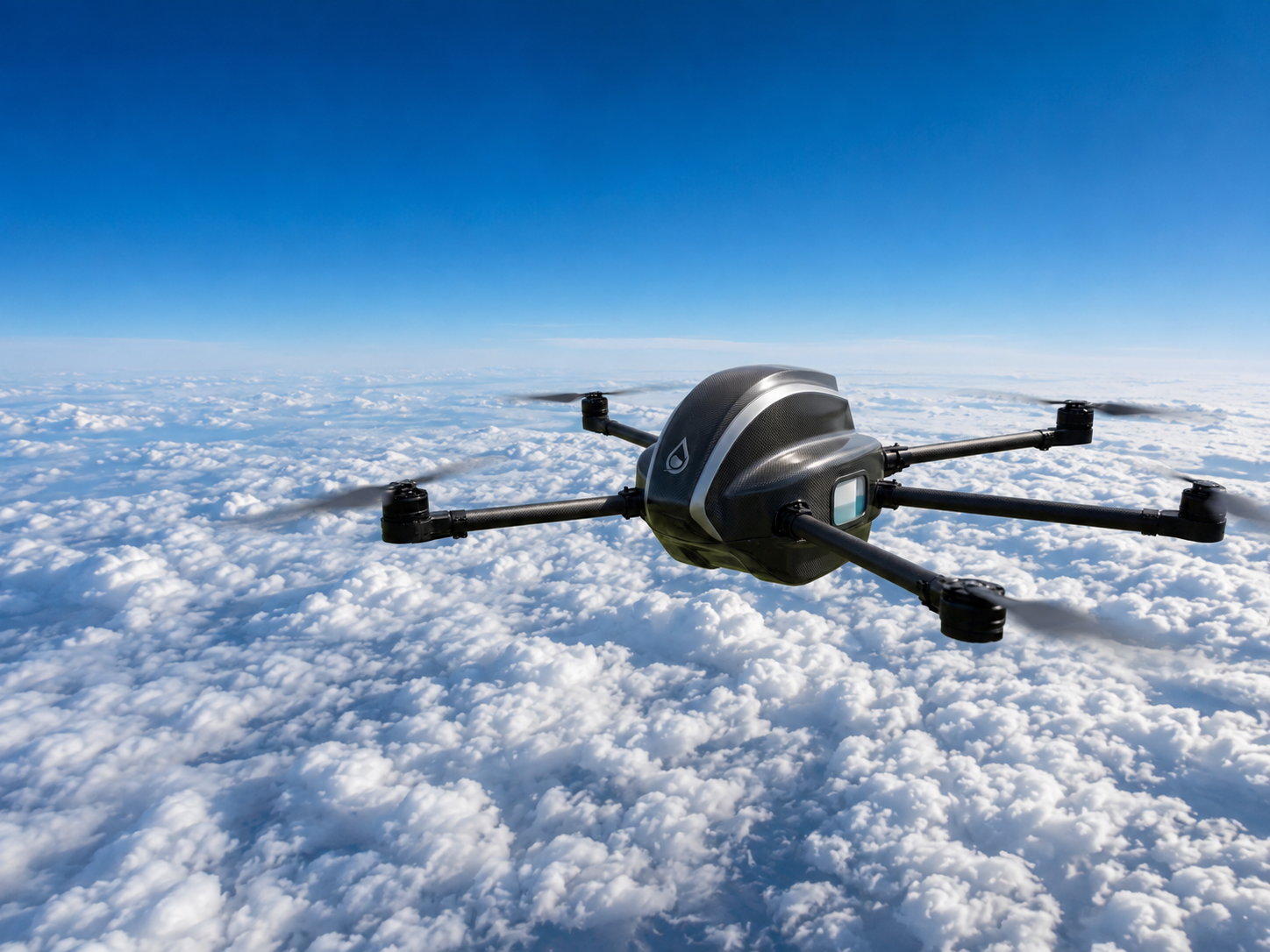
As unmanned aerial vehicles (UAVs) continue to expand into applications such as long-endurance inspection, logistics and transportation, agricultural operations, surveying, and specialized missions, flight endurance, power stability, and fuel efficiency have become increasingly important considerations in propulsion system design. Compared with conventional fuel delivery methods, Electronic Fuel Injection (EFI) systems utilize sensors, an Electronic Control Unit (ECU), and fuel injection components to continuously monitor engine operating conditions. By adjusting fuel delivery based on parameters such as intake air volume, temperature, pressure, and engine speed, the system helps maintain an appropriate air-fuel mixture, improving combustion efficiency and overall engine stability.
UAV engines operate under continuously changing load and power requirements depending on flight conditions and mission demands. An EFI system can electronically adjust fuel injection and operating parameters in real time, enabling the propulsion system to respond more effectively to different flight stages, including takeoff, cruising, acceleration, and operation under varying altitudes or environmental conditions. In addition to improving fuel management efficiency, precise electronic control can help reduce energy losses associated with incomplete combustion while supporting longer flight endurance and enhanced operational reliability.
The sensors and electronic control technologies used in EFI systems also enable more intelligent power management for UAVs. By continuously collecting engine operating data, the system can support functions such as fuel control, condition monitoring, and fault diagnostics. When coordinated with the UAV flight control system, these capabilities can further improve operational stability and adaptability in complex environments.
As UAV technology continues to move toward longer endurance, higher efficiency, and greater intelligence, EFI systems are also evolving toward lighter weight, higher precision, and more advanced control capabilities. Future developments combining improved sensing technologies, data analysis, and intelligent control algorithms may further optimize fuel injection strategies and propulsion management. For fuel-powered UAVs that require a balance between flight endurance, power performance, and environmental adaptability, electronic fuel injection technology is expected to remain an important part of future propulsion system development.
**Information Reference: [Taobao.com] https://world.taobao.com/lang/zh-tw/goods/4522750.htm
**Note: This content has been compiled and adapted. For the full original text, please visit the link above.